
Exploring the link between maternal asthma and child development
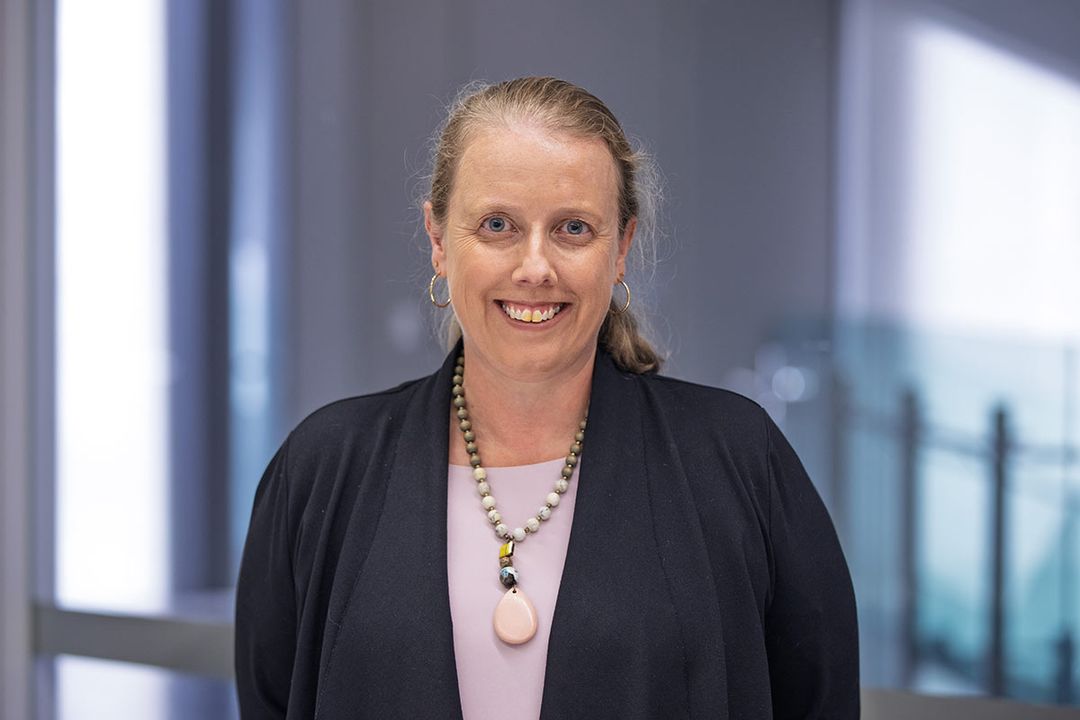
This is some text inside of a Based in the Hunter region, Professor Vanessa Murphy’s research investigates how inflammation caused by asthma might affect the developing brain, and what early support children and families may need as a result.
“I research ways to improve asthma and prevent asthma attacks in pregnant women to protect their unborn baby from the harmful developmental consequences that may occur due to inflammation associated with asthma,” Professor Murphy explains.
Although she grew up in the Southern Highlands of NSW, Professor Murphy has called Maitland home for over two decades.
“All my children were born in Maitland, and I consider myself a Maitland local now.”
When she's not advancing research in respiratory health and neurodevelopment, she enjoys swimming, spending time with her husband and two teenage daughters, and looking after their Airbnb in Vacy in the Hunter Valley.
Funding research that supports healthy futures
Thanks to the generous support of the Hunter Children’s Research Foundation (HCRF), Professor Murphy and her team have been able to expand their important work.
“HCRF funding is being used to investigate the neurodevelopmental outcomes of babies born to mothers with asthma,” she explains.
“Specifically, we are defining how inflammation caused by asthma in pregnancy may be associated with neurodevelopmental differences in children.”
“Specifically, we are defining how inflammation caused by asthma in pregnancy may be associated with neurodevelopmental differences in children.”
This research is already making a difference.
“This is important as it is helping us to find ways to identify children and families who may need support earlier.”
Professor Murphy describes the area as “underfunded” and says that HCRF’s support has helped the team continue and grow their work within the Hunter region.
“This HCRF funding has facilitated the continuation and expansion of our work in this research area in the Hunter.”
Training future leaders in research
The project is also playing a key role in developing the next generation of health researchers. The HCRF funding has enabled two PhD students to pursue studies into the links between maternal asthma and autism, and child asthma and autism.
“This support is helping them establish their careers in this emerging field.”
Involving the community through lived experience
One of the most significant outcomes of the HCRF grant has been the establishment of the Newcastle Neuroadvisory reference group. Chaired by Dr Olivia Whalen, the group includes seven members of the community with lived experience of autism and ADHD, including several parents of neurodivergent children. Meeting quarterly, the group plays a critical role in shaping research priorities and ensuring that outcomes align with community needs.
“Establishing this group has proved invaluable for our team,” Professor Murphy says.
The team has since developed studies exploring parent experiences accessing medical care for children with asthma and autism, as well as a survey of beliefs of the neurodivergent community on genetic testing in pregnancy for the early identification of autism.
Further impact through funding
The original funding from HCRF has had a multiplying effect. Professor Murphy and her team have already secured more than $70,000 in additional grants—three times the original HCRF support. They are now preparing to apply for over $1 million in major grants.
“HCRF funding has also helped us to generate the data to help us apply for larger grants amounting to over $1000000. So, watch this space!”